
Big Changes Are Coming to Tahoe’s Power Grid — Here’s What Homeowners Need to Know
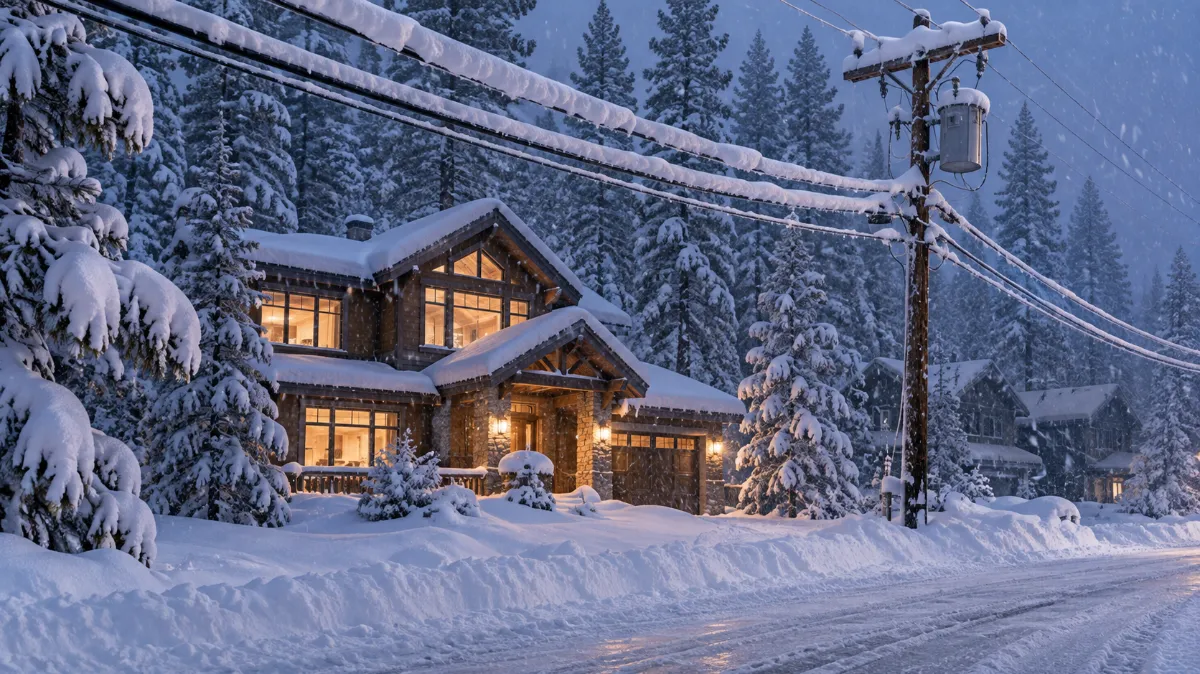
Key takeaways
- NV Energy plans to end its wholesale contract with Liberty Utilities — currently extended through December 31, 2027 — affecting the ~49,000 customers on Tahoe’s California side.
- The driver is Northern Nevada’s data center boom: about 22% of Nevada’s electricity in 2024, projected toward 35% by 2030.
- Neither utility is planning a shutoff — but rates are rising on both sides of the lake, and the regional grid is getting tighter.
- A strained grid plus mountain weather is exactly the situation a standby generator exists for.
If you own a home in the Lake Tahoe area, you’ve seen the headlines about NV Energy, Liberty Utilities, and data centers. Some of the noise is overblown; some of it deserves your attention. As a licensed electrical contractor who has worked this market for over 25 years, here’s my read on what’s actually happening — and what it means for your house.
What’s Happening With Tahoe’s Power Supply
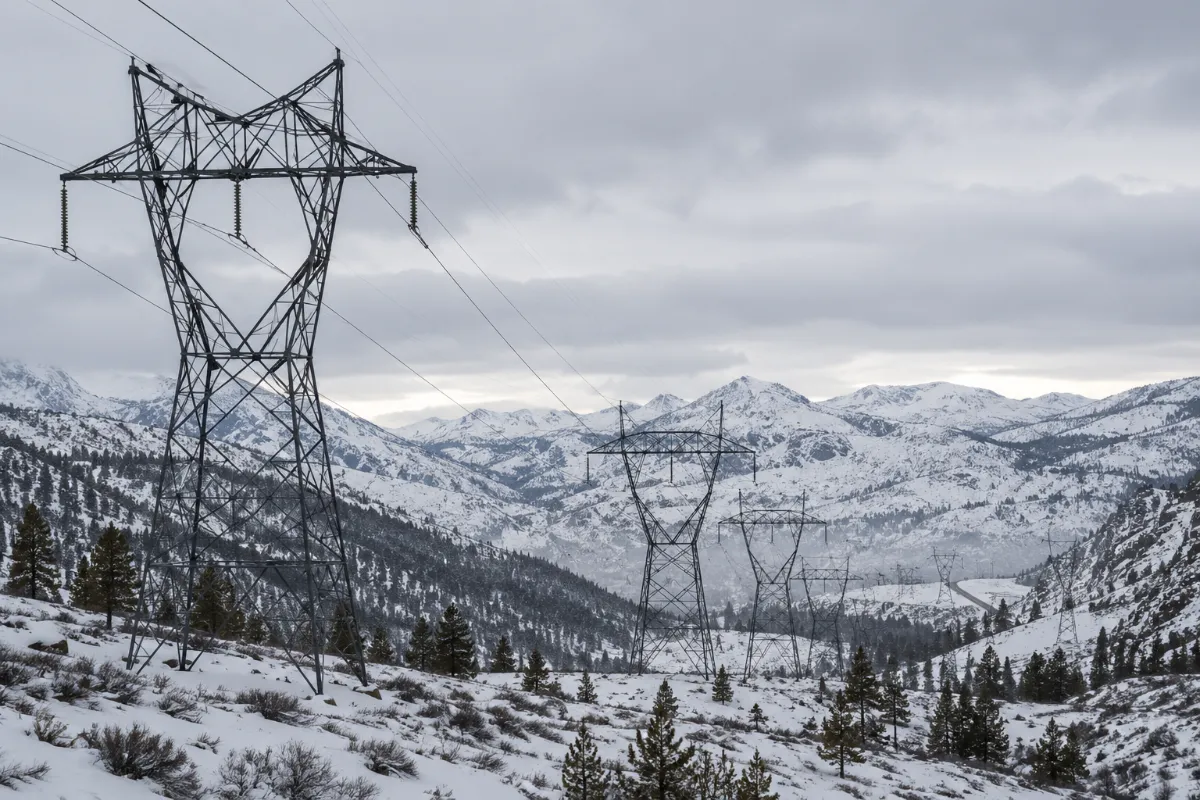
NV Energy plans to end its wholesale power contract with Liberty Utilities, which currently relies on NV Energy for roughly 75% of the electricity it delivers to about 49,000 customers on the California side of Lake Tahoe. The agreement has been extended through December 31, 2027 — after that, Liberty needs its own supply.
The reason is simple arithmetic. Northern Nevada is in the middle of a massive data center construction surge around the Tahoe-Reno Industrial Center — Google, Apple, Microsoft-scale facilities with staggering power appetites. Data centers consumed about 22% of Nevada’s electricity in 2024, and that share could reach 35% by 2030. NV Energy has signed agreements for roughly 6 gigawatts of data center capacity — about 2.8 times the output of Hoover Dam, per the Desert Research Institute. NV Energy needs the power it has been wholesaling, and Liberty has to go shopping.
Will the Power Actually Shut Off?
The short answer is no — at least not according to either utility. NV Energy says it will continue serving Liberty while the transition plays out, and Liberty’s president has stated publicly this is not a shutoff. Take them at their word on that.
But be clear-eyed about the structural problem: a small utility serving 49,000 mountain customers now has to compete on the open energy market against PG&E, Southern California Edison, data centers, and mining companies. That’s very little leverage in a very hungry market.
What About the Nevada Side?
If you’re in Incline Village, Crystal Bay, or elsewhere on the Nevada side, NV Energy serves you directly, so the contract change doesn’t affect your supply. Your exposure is cost: NV Energy’s $4.2 billion Greenlink transmission project and roughly $3 billion in other Northern Nevada capital projects are being passed through to ratepayers — and Nevada’s Public Utilities Commission has allowed billing for construction costs before the projects are complete.
Bottom line, whichever side of the basin you’re on: electricity in the Tahoe region is getting more expensive, and the grid behind it is getting tighter.
Why This Matters for Your Home
Even if nobody ever flips a switch on Tahoe, the combination of a strained grid, rising costs, aging infrastructure, and our mountain weather is real risk. A winter storm that takes power down for 24 to 72 hours is already a normal event up here. Add grid uncertainty, and the case for energy independence gets a lot stronger.
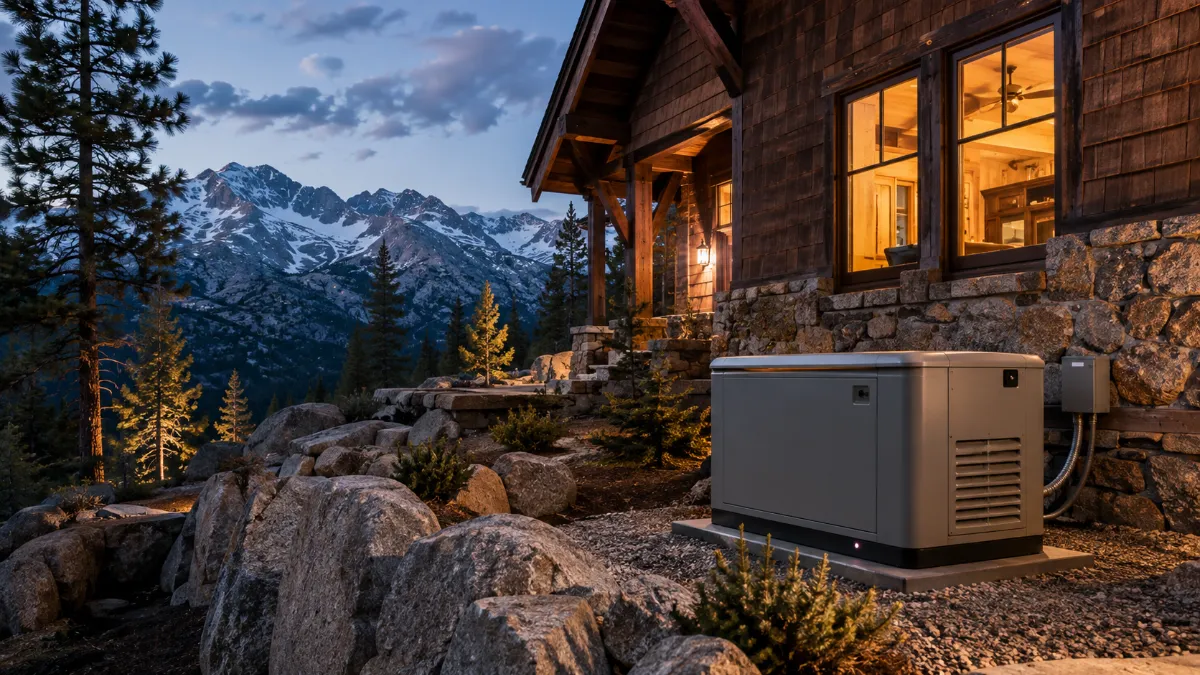
A properly sized standby generator starts itself when the grid drops — downed line, snow-loaded tree, or capacity event, it doesn’t matter. Heat stays on, pipes don’t freeze, food keeps, and your family stays comfortable. If you’re weighing what size makes sense, start with our Tahoe generator sizing guide, and if budget is the question, we’ve broken down what an installation actually costs up here.
Getting Ahead of It
If a generator has been on your radar, start the conversation now — not after the season’s first storm, when every electrician in the basin is booked for weeks. A proper Tahoe installation means evaluating your panel, gas supply, placement, permitting, and the altitude factors unique to this market. We’ll walk you through all of it — no pressure, no obligation, just straight answers.
Grid uncertainty is above your pay grade. Your house doesn’t have to be.
Schedule a ConsultationCall (775) 309-9056Quick Answers
Is Lake Tahoe Losing Power in 2027?
No. Both utilities say service continues — NV Energy has extended its wholesale agreement with Liberty Utilities through December 31, 2027, while Liberty secures its own supply. The real story is rising costs and a tighter regional grid, not a planned shutoff.
Does This Affect Incline Village and the Nevada Side?
Nevada-side communities are served directly by NV Energy, so the Liberty contract change doesn’t touch your supply. Costs are another matter — the $4.2 billion Greenlink transmission project and other Northern Nevada capital work are already being passed to ratepayers.
Why Are Data Centers Part of This Story?
Northern Nevada’s data center construction boom is consuming an enormous share of the region’s power — roughly 22% of Nevada’s electricity in 2024, projected toward 35% by 2030. NV Energy has committed about 6 gigawatts to data centers, which is why it needs the capacity it has been selling wholesale.
What Can Tahoe Homeowners Actually Do About It?
The grid is outside your control; your house isn’t. A properly sized standby generator keeps heat, water, and refrigeration running through any outage — storm-caused or grid-caused. Our Generator Estimator is a good first step.