

Working With General Contractors on Today’s Job Sites
Construction projects move fast, and every trade on the jobsite depends on timing, coordination, and clear communication. When electrical work is done right, it supports the entire build. When it isn’t, schedules slip, inspections get delayed, and crews end up waiting on problems that could have been avoided. For general contractors, the difference often comes down to the quality of the electrical partnership behind the scenes.
The Reality of Modern Construction Schedules
Tight deadlines, changing conditions, and overlapping trades are the norm on today’s projects. Electrical work touches nearly every phase of construction—from rough-in and inspections to finishes and final walkthroughs. That means electricians aren’t just installing wire and equipment; they’re part of the overall workflow that keeps a project moving forward. When coordination breaks down at this level, the impact is felt across the entire job.
Why Electrical Coordination Matters Early
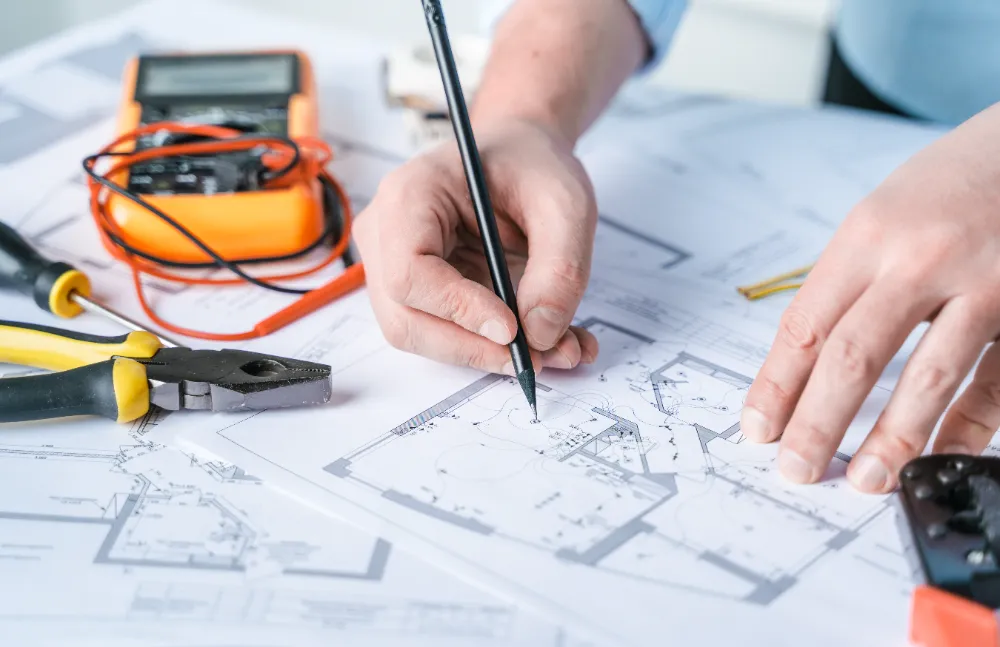
Early planning and clear communication help prevent downstream issues that cost time and money. Panel locations, load requirements, specialty installs, and inspection timing all influence how smoothly a project progresses. Addressing these details up front allows general contractors to schedule with confidence, avoid rework, and keep momentum through each phase of the build.
What General Contractors Actually Need From an Electrical Partner
General contractors rely on electrical partners who understand how their work fits into the larger construction timeline. It’s not just about completing a scope—it’s about showing up when expected, communicating clearly when conditions change, and delivering work that supports the next phase of the project without creating delays or rework.
Predictable Scheduling and Follow-Through
Reliable scheduling allows general contractors to plan inspections, coordinate other trades, and keep crews moving efficiently. When an electrician shows up as scheduled and completes work as promised, it reduces downtime and prevents bottlenecks that can ripple through the entire project.
Clear Communication When Things Change
Construction rarely goes exactly as planned. Design updates, site conditions, and client decisions can all affect electrical scope. Clear, timely communication helps general contractors adjust schedules and expectations before small changes turn into larger problems on the jobsite.
Where Electrical Work Impacts the Entire Project
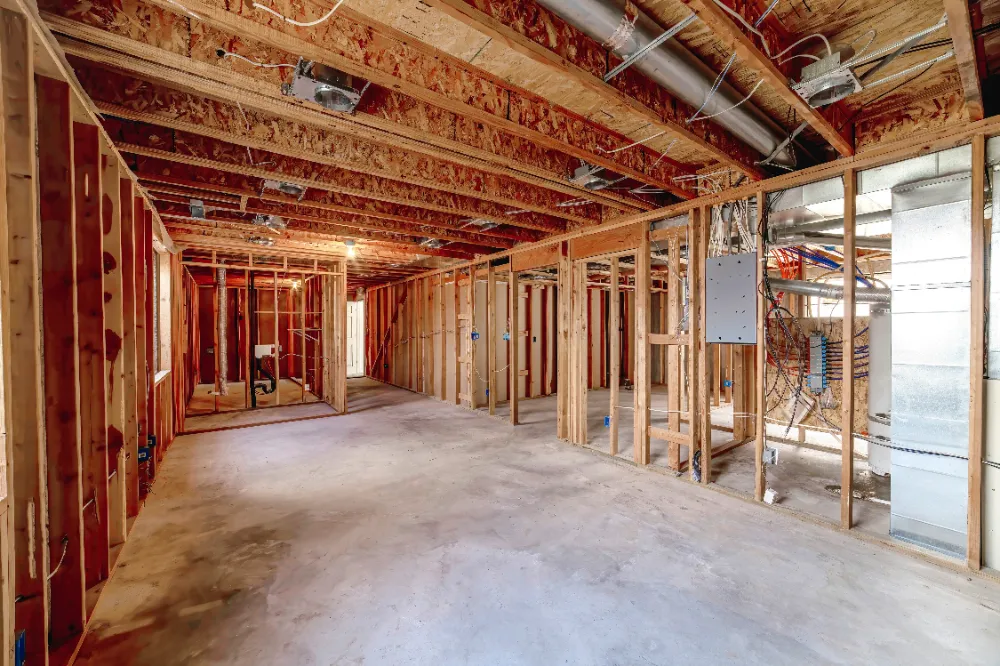
Electrical systems are woven into nearly every part of a construction project. From framing and drywall to inspections and final finishes, electrical work often determines when the next phase can begin. Because of that, even small missteps can create delays that affect multiple trades and the overall timeline.
Rough-In Timing and Inspections
Rough-in work sets the foundation for everything that follows. If wiring, panel placement, or circuit layouts aren’t completed correctly or on schedule, inspections can be delayed and other trades are forced to wait. Clean, code-compliant rough-ins help projects move smoothly through inspections and keep momentum early in the build.
Finish Work and Final Coordination
Electrical details don’t stop at rough-in. Devices, fixtures, specialty equipment, and final connections all play a role in how a project wraps up. Proper coordination during this phase helps avoid last-minute corrections, missed details, and unnecessary callbacks, allowing general contractors to deliver a finished project with confidence.

How We Approach Working With General Contractors
Every project runs smoother when expectations are clear and responsibility is taken seriously. Our approach to working with general contractors is built around consistency, communication, and delivering work that supports the overall build—not just our portion of it.
Showing Up Prepared and On Schedule
We plan our work to align with the project timeline and show up ready to execute. That means understanding the scope ahead of time, coordinating access when needed, and completing work in a way that allows the next trade to move forward without delays or surprises.
Communicating Before Issues Become Problems
When questions or changes come up, we address them early. Clear communication helps general contractors make informed decisions, adjust schedules when necessary, and avoid last-minute issues that can disrupt the jobsite. Handling challenges proactively keeps projects moving and relationships strong.
What Makes a Strong Electrical Partnership
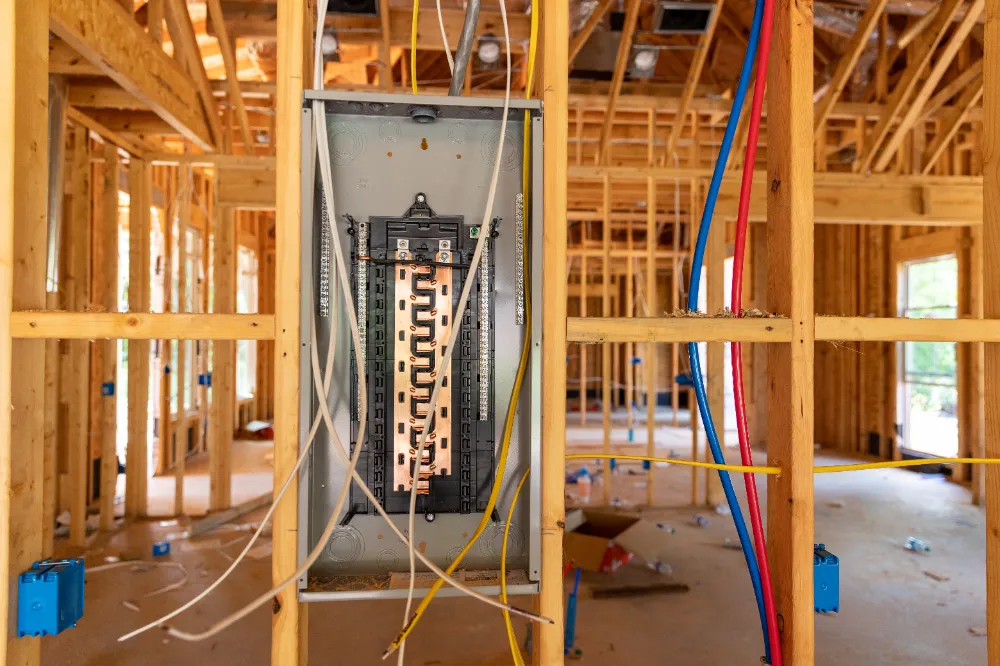
Successful projects are built on partnerships where everyone understands their role and takes ownership of their responsibilities. A strong electrical partnership supports the general contractor’s workflow, protects the schedule, and helps deliver a finished project that meets expectations on every level.
What General Contractors Can Expect From Us
General contractors can expect dependable scheduling, clean and code-compliant installations, and clear communication throughout the project. Our focus is on completing work correctly the first time and being accountable for our part of the build, so progress isn’t slowed by rework or uncertainty.
What We Need From General Contractors
Clear scope, realistic timelines, and early communication make a significant difference. When expectations are defined up front and changes are communicated as they arise, it allows electrical work to stay aligned with the overall project plan and helps everyone finish strong.